Anadrol
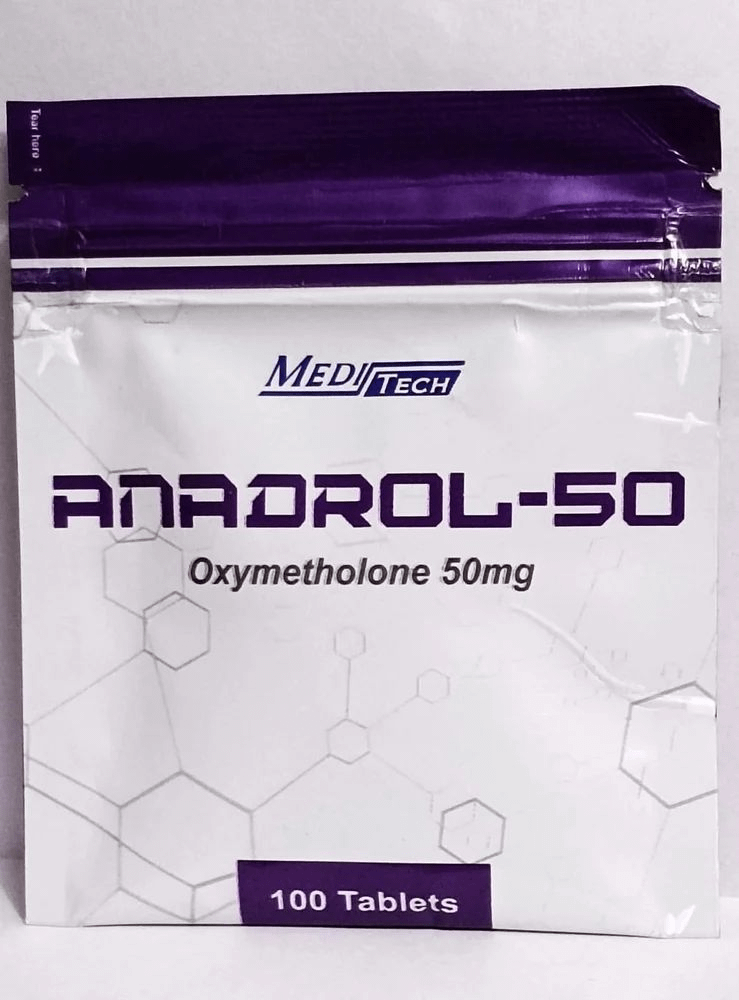
Anadrol: Unpacking the Power and Peril of Oxymetholone in Bodybuilding Anadrol packs a punch like few other steroids in the bodybuilding world. You hear stories of guys adding 20 pounds of mass in weeks, but that power comes with real dangers. This article breaks down Anadrol, or Oxymetholone, from its roots in medicine to its role in muscle building, covering how it works, the gains it delivers, the health risks you face, and smart ways to handle it if you go there. Introduced in the 1960s, Anadrol started as a treatment for anemia and muscle-wasting conditions. Doctors prescribed it to boost red blood cell production and help patients regain strength. Over time, athletes discovered its edge for rapid gains, turning it into a staple for serious bodybuilders chasing size. We look at Anadrol’s chemical makeup and how it drives results. You’ll see the massive boosts in muscle and power it offers. But we also cover the serious side effects, like liver damage and heart strain. Plus, get tips on cycles and support to minimize harm. If you’re in the performance scene, knowing these details helps you weigh if the rewards beat the risks. Anadrol’s Chemical Profile and Mechanism of Action Anadrol stands out among…